Motorhome Decals Explained in Under 3 Minutes: Cost, Installation & Aussie Weather Tips
Motorhome decals are your ticket to transforming a plain RV into a personalised adventure machine. Whether you're after racing stripes, nature scenes, or custom graphics, these vinyl stickers can completely change your motorhome's appearance while protecting the underlying paint from Australia's harsh conditions.
Let's break down everything you need to know about costs, installation, and surviving the Australian climate: all in under three minutes.
What Are Motorhome Decals?
Motorhome decals are specially designed vinyl graphics made to withstand outdoor conditions. Unlike regular stickers, these are engineered with UV-resistant materials and strong adhesives that can handle temperature fluctuations, rain, and constant sun exposure.
You'll find options ranging from simple stripe designs to complex full-body wraps. Most Australian motorhome owners choose decals for personalisation, improved visibility on the road, or to cover existing paint damage.

Cost Breakdown: What You'll Actually Pay
Basic stripe kits are ideal for simple designs that you can install yourself. These typically include two to four vinyl strips in standard colours.
Mid-range graphic packages often feature more complex designs, multiple colours, or themed artwork like Australian landscapes or wildlife motifs.
Professional full-body wraps vary depending on your motorhome's size and design complexity. These provide complete coverage and maximum impact.
Cost Factors That Matter
• Size of your motorhome - Larger vehicles obviously require more material
• Design complexity - Multi-colour graphics cost more than single-colour options
• Material quality - Premium cast vinyl lasts longer but costs more than calendered vinyl
• Professional installation - Expect an extra charge for expert application
• Location - Major cities typically charge more than regional areas
DIY installation can save you money, but factor in potential mistakes that might require purchasing replacement decals.
Installation Made Simple
Surface preparation is absolutely critical for long-lasting results. Clean your motorhome thoroughly with degreasing soap, then wipe down with isopropyl alcohol to remove any remaining residue. Allow the surface to dry completely before starting.
Step-By-Step Installation Process
Position before peeling - Use painter's tape to position your decal exactly where you want it. This prevents costly mistakes once the adhesive is exposed.
Create a hinge - Tape one edge of the decal to create a hinge point. This lets you work methodically from one side to the other.
Peel gradually - Remove backing paper slowly, smoothing the decal as you go. Work in 15-20cm sections to maintain control.
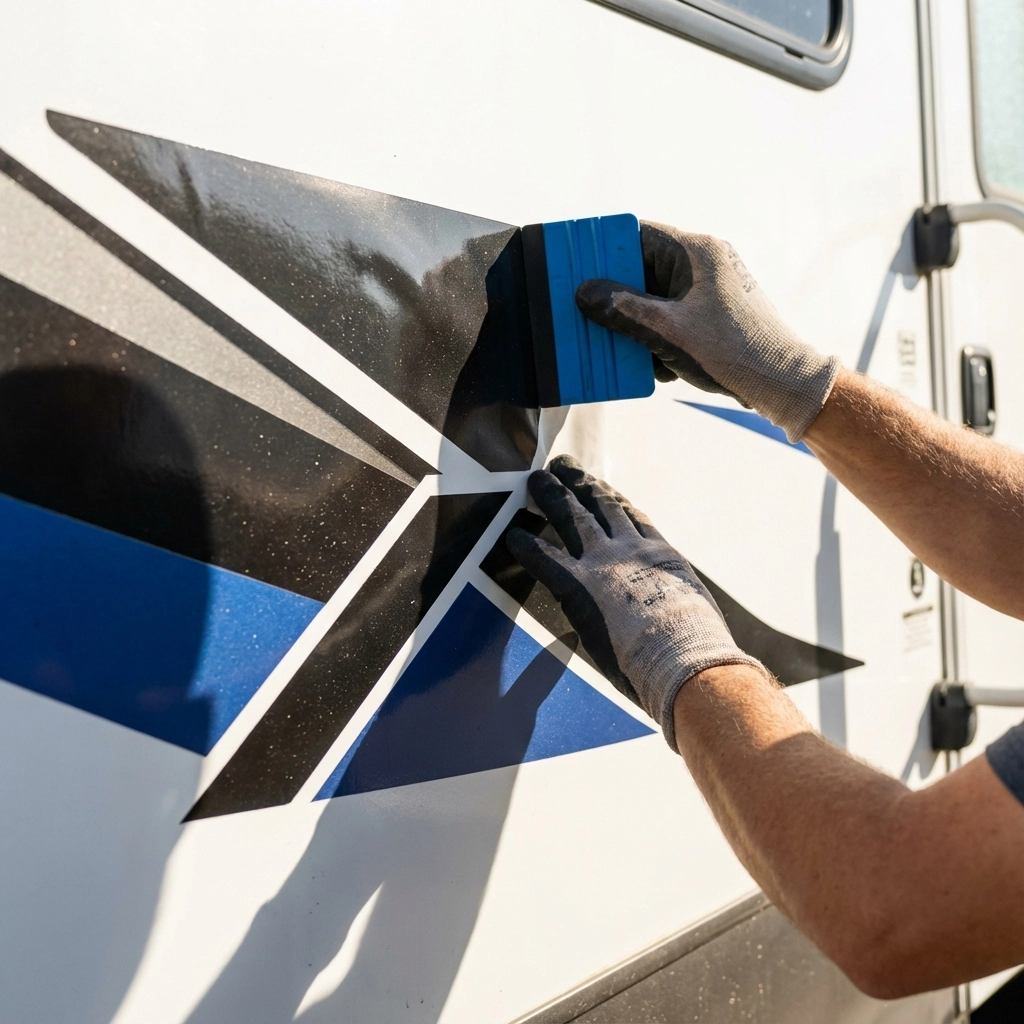
Smooth out bubbles - Use a plastic squeegee or credit card wrapped in soft cloth. Work from the centre outward using overlapping strokes.
Apply firm pressure - Go over the entire decal multiple times, paying special attention to edges where lifting commonly occurs.

Temperature Requirements
Install decals when temperatures are between 10°C and 32°C. Cold weather makes vinyl brittle and difficult to work with, while excessive heat can cause premature curing of the adhesive.
Morning installation often works best in summer, avoiding the harsh afternoon sun that can make vinyl too hot to handle comfortably.
Australian Weather Considerations
Australia's climate poses unique challenges for motorhome decals. Understanding these factors helps you choose the right products and timing.
UV Radiation Impact
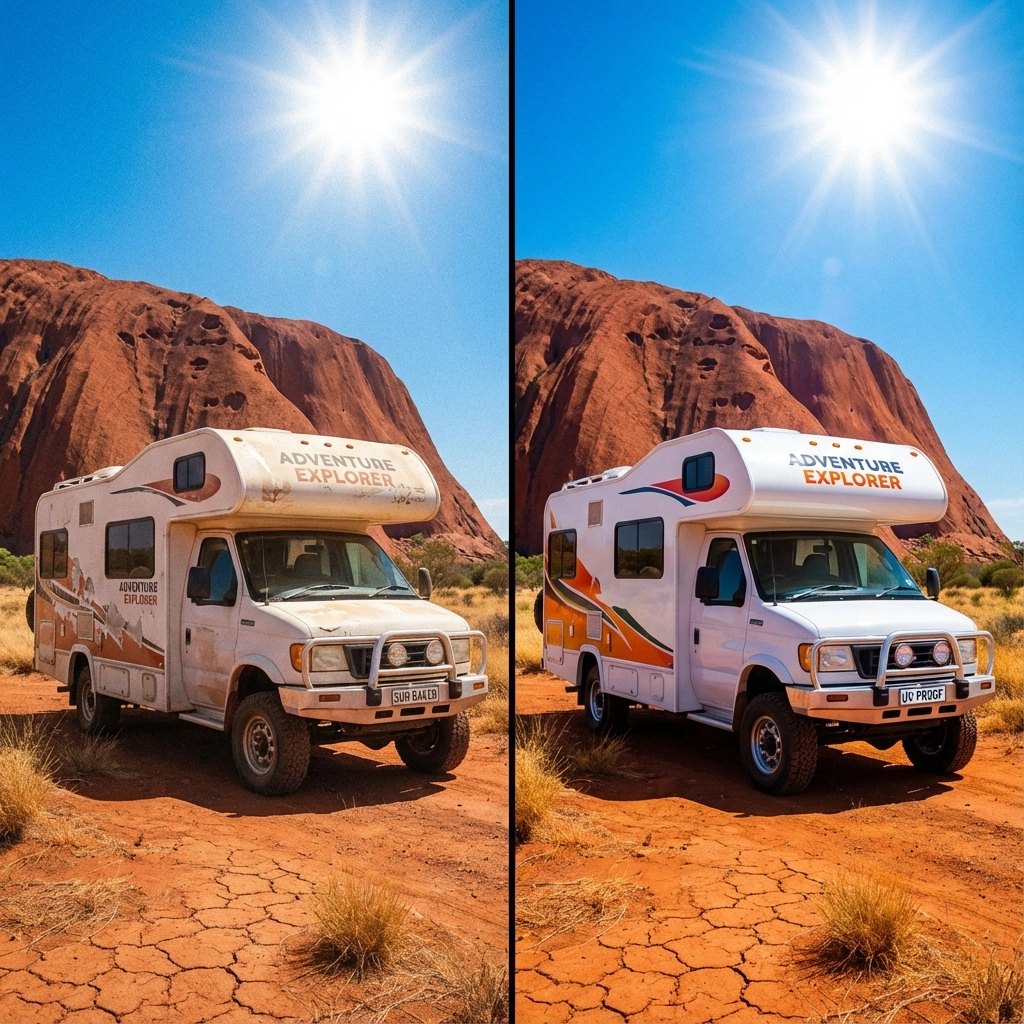
Australian UV levels are among the world's highest, particularly in northern regions. This intense radiation breaks down inferior vinyl within 12-18 months, causing fading, cracking, and peeling.
Choose cast vinyl with UV inhibitors rated for Australian conditions. These typically last 7-10 years compared to 2-3 years for basic calendered vinyl.
Temperature Extremes
Desert regions can hit 50°C+ in summer, while alpine areas drop below freezing in winter. This expansion and contraction stresses adhesive bonds.
Look for decals rated for temperature ranges of -40°C to +80°C. Premium automotive vinyls handle these extremes without cracking or lifting.
Humidity and Salt Air
Coastal areas expose motorhomes to salt air that can corrode adhesives and cause premature failure. Tropical regions with high humidity create different challenges.
Marine-grade adhesives perform better in these conditions. If you frequently travel coastal routes, invest in decals specifically designed for marine environments.

Seasonal Timing Tips
• Autumn (March-May) - Ideal installation weather across most of Australia
• Winter (June-August) - Good in northern regions, avoid southern alpine areas
• Spring (September-November) - Excellent conditions before summer heat
• Summer (December-February) - Early morning installation only, avoid midday heat
Maximising Decal Lifespan
Regular cleaning extends decal life significantly. Use mild soap and avoid pressure washers directly on decal edges where water can penetrate.
Waxing over decals provides additional UV protection and keeps colours vibrant longer. Use carnauba-based waxes rather than synthetic products that can interact with vinyl.
Parking considerations matter more than most people realise. Covered parking when possible, or at least east-facing positions that avoid harsh afternoon sun.
When to Replace
Watch for these warning signs:
• Edge lifting despite good cleaning habits
• Colour fading that makes graphics look washed out
• Cracking or splitting in the vinyl surface
• Adhesive bleeding around edges creating dark lines
Popular Australian Motorhome Decal Themes
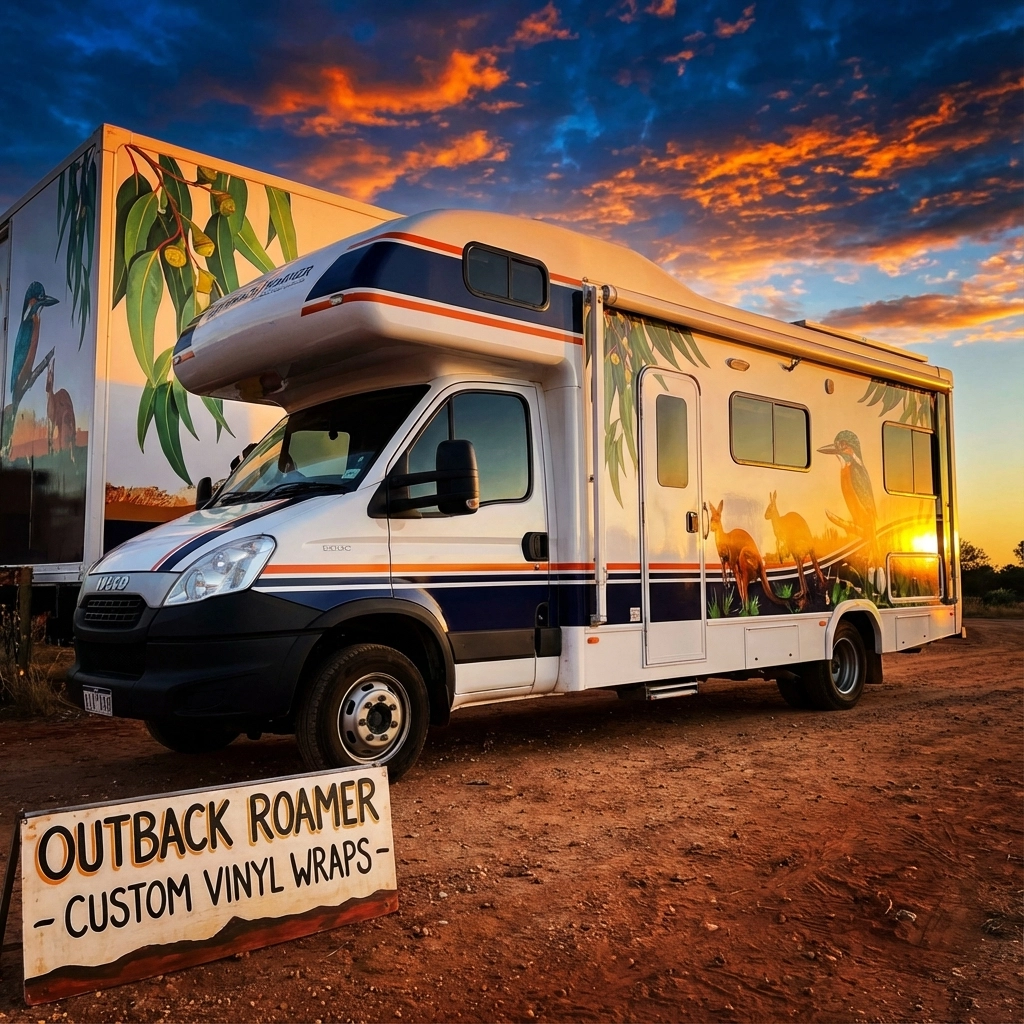
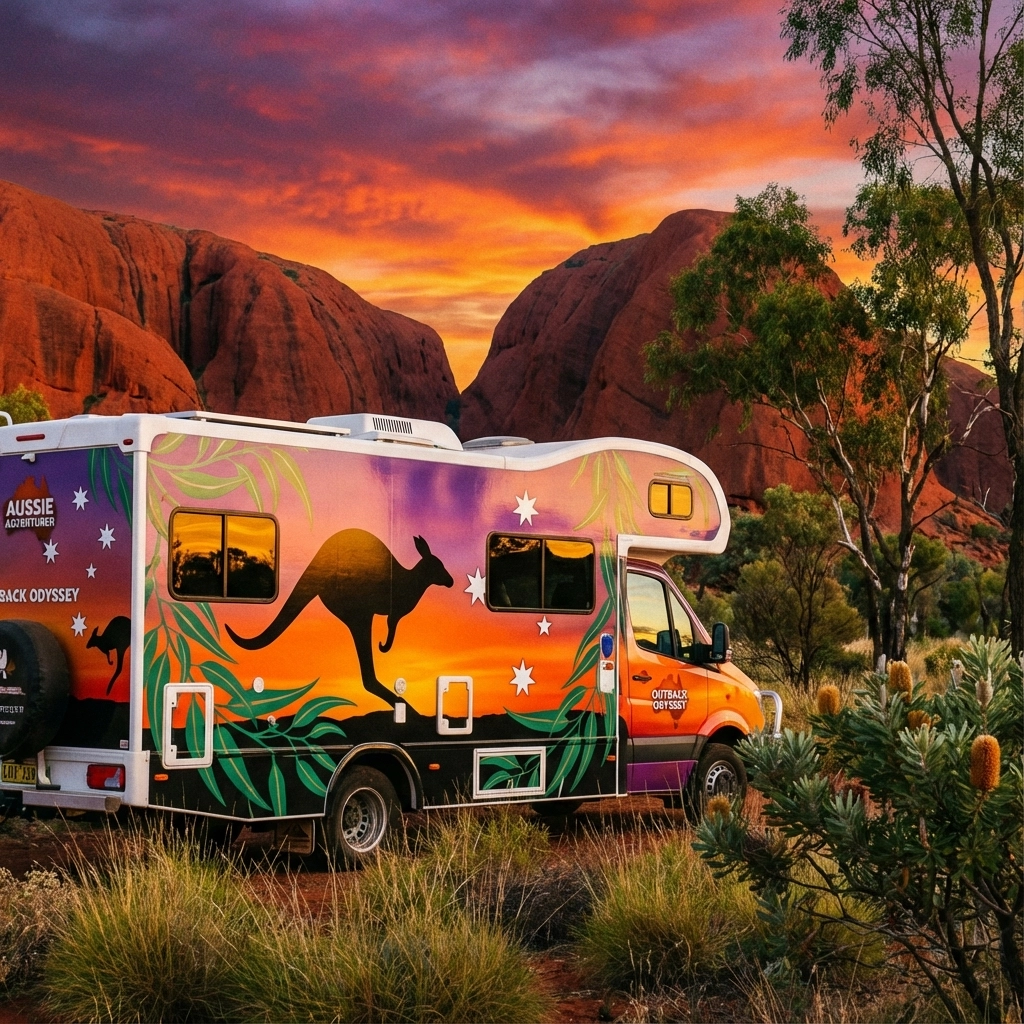
Australian wildlife designs featuring kangaroos, koalas, and native birds remain consistently popular. These celebrate your travels while showing national pride.
Landscape themes depicting Uluru, coastal scenes, or rainforest imagery help document your journey across the continent.
Simple racing stripes never go out of style and suit any motorhome design. They're also the easiest DIY installation option for beginners.

Professional vs DIY: Making the Choice
DIY installation works well for simple designs under 2 metres long. You'll save money and gain satisfaction from completing the project yourself.
Professional installation makes sense for complex graphics, full-vehicle wraps, or if you're not confident with detail work. The investment often pays off in superior longevity and appearance.
Consider your skill level, available time, and budget when making this decision. A botched DIY job costs more to fix than professional installation would have cost initially.
Choosing Quality Suppliers
Look for suppliers who stock genuine automotive vinyl from recognised manufacturers like 3M, Avery Dennison, or Oracal. These brands engineer their products specifically for vehicle applications.
Australian-based suppliers understand local conditions and can recommend appropriate products for your specific climate zone and usage patterns.
Check for warranty coverage on both materials and installation if you're going the professional route. Quality suppliers stand behind their products.
Ready to transform your motorhome with custom decals? Mega Sticker Store offers premium automotive vinyl designed for Australian conditions, with expert advice to help you choose the perfect graphics for your adventure machine.