


Why Vinyl Stickers Peel: Causes and Prevention
Table of Contents
- Why Vinyl Stickers Peel: The Main Culprits
- How to Keep Vinyl Stickers From Peeling
- How to Fix Peeling Vinyl Stickers
- How to Restick a Vinyl Sticker Properly
- How Long Do Vinyl Stickers Last Outdoors
- Preventing Peeling by Surface Type
- Frequently Asked Questions
Last Updated: October 9, 2026
Why Vinyl Stickers Peel: The Main Culprits
Vinyl stickers peel because the surface isn't ready, the adhesive doesn't match the material, or the application technique is wrong. These three factors account for nearly every peeling problem we see. Understanding what causes vinyl stickers to peel off is the first step to keeping them stuck for years.
The most common reason stickers fail is surface preparation. Dust, dirt, grease, and cleaning-product residue create a barrier between the adhesive and the surface. The sticker never truly bonds. It sits on top, waiting to lift at the edges.
Surface contamination and poor preparation
A dirty surface is the fastest way to guarantee peeling. When you apply a vinyl sticker to a dusty or greasy surface, the adhesive backing can't make full contact with the material underneath.
Common contaminants that cause sticker adhesion to fail:
- Dust and fine particles
- Road grime and dirt
- Grease from hands or engine oil
- Wax or silicone-based polish residue
- Soap film from recent washing
- UV-damaged paint that's chalky to the touch
Even surfaces that look clean often have a microscopic layer of contamination. This invisible barrier is enough to prevent proper bonding. The sticker may stick initially, but peeling starts within weeks.
Adhesive quality and material mismatch
Not all vinyl stickers are created equal. Budget stickers often use low-quality adhesive that hardens in cold weather or loses grip in heat. Premium outdoor vinyl uses adhesive formulated to handle temperature swings and UV exposure.
The surface type also matters. A sticker designed for smooth glass won't grip textured fibreglass the same way. Metal surfaces have different adhesion requirements than painted wood. Curved surfaces need flexible adhesive that won't crack as the material expands and contracts.
Poor-quality materials show their weakness quickly:
- Adhesive becomes brittle in cold conditions
- Sticker material loses flexibility and cracks
- Adhesive hardens and peels at corners and edges
- Colours fade faster, making peeling more visible
Application technique and pressure
How you apply the sticker matters as much as what you're applying. Rushing through the installation or using light pressure leaves air pockets trapped under the vinyl. These pockets become starting points for peeling.
Proper application requires firm, even pressure across the entire sticker. Many people press the centre and ignore the edges. The edges are where peeling starts.
Temperature during application also affects how well the adhesive sets. Cold surfaces slow the bonding process. Heat helps the adhesive flow and grip better.
How to Keep Vinyl Stickers From Peeling
Preventing peeling is simpler than fixing it. Three key steps make the difference between stickers that last years and ones that fail within months.
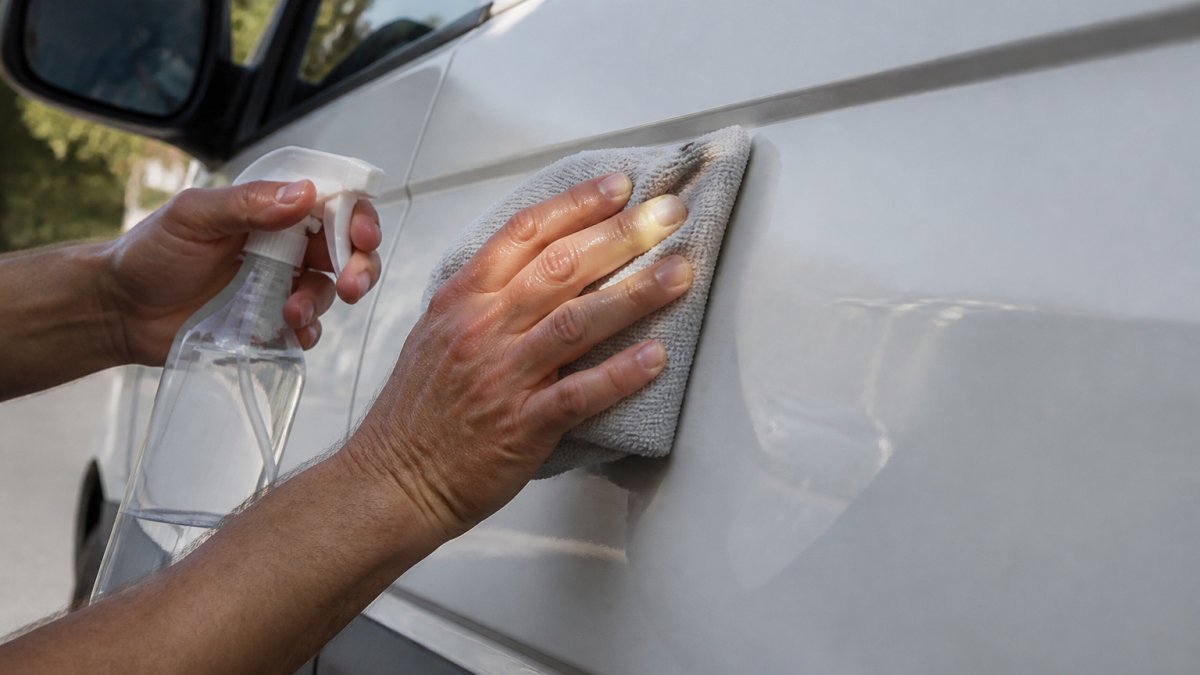
Clean and prepare your surface properly
Start here. This single step prevents more peeling problems than anything else.
The cleaning process:
- Wash the area with soap and warm water, then dry completely with a clean cloth
- Wipe the surface with rubbing alcohol on a lint-free cloth to remove grease and residue
- Let the alcohol dry fully (2-3 minutes)
- Inspect the surface in good light, it should be visibly clean with no haze or streaks
For textured surfaces like fibreglass or rough paint, use a slightly damp cloth first to avoid grinding dust deeper into the texture.
Skipping this step is the biggest mistake we see. People think a quick wipe is enough. It isn't. Proper surface preparation takes 5 minutes and prevents weeks of frustration.
Apply stickers in optimal temperature and humidity
Temperature and humidity control how quickly the adhesive sets and how well it bonds. Apply vinyl stickers when conditions are right, and they'll grip properly.
Ideal application conditions:
- Temperature: 15-25°C (avoid below 10°C or above 30°C)
- Humidity: Below 85% (high moisture slows adhesive curing)
- Dry surface with no rain or dew expected for 24 hours after application
- Avoid direct sunlight during application (heat makes the sticker difficult to position)
Cold weather is particularly problematic. Adhesive stiffens in cold conditions and won't flow properly. The sticker sits on the surface without fully bonding.
Hot weather speeds up adhesive curing, which sounds good. But extreme heat can make the sticker difficult to position and may cause the adhesive to set too quickly before you've applied proper pressure.
Use firm, even pressure during installation
Once the surface is clean and conditions are right, application technique determines whether the sticker stays put.
Press the sticker starting from the centre and work outward toward the edges. Use a squeegee, plastic scraper, or the edge of a credit card.
Pay special attention to:
- All four corners (these experience the most stress)
- The entire outer edge (this is where peeling usually starts)
- Any curved or raised areas
- Textured sections that have deeper grooves
Spend at least 30 seconds applying pressure to a standard-sized sticker. Larger stickers need proportionally more time.
After application, avoid touching, washing, or exposing the sticker to moisture for at least 24 hours. This curing time allows the adhesive to set completely.
How to Fix Peeling Vinyl Stickers
If your stickers are already peeling, you don't always need to replace them. Many can be saved with careful repair.
Assess the damage and determine next steps
Look at how much of the sticker has lifted. If only the edges are peeling and the centre is still firmly stuck, you can usually reapply it. If large sections have lifted or the adhesive has dried out, replacement is often the better choice.
Signs the sticker can be saved:
- Only edges or corners are peeling
- The sticker material is still in good condition (no cracks, fading, or damage)
- The adhesive still feels slightly tacky when you lift it
- The sticker hasn't been peeling for months
Signs replacement is better:
- More than half the sticker has lifted
- The sticker material is cracked, faded, or damaged
- The adhesive is completely hard and brittle
- The sticker has been peeling so long that dirt has accumulated underneath
Lift and clean the affected area
Carefully peel back the lifted section. Work slowly to avoid tearing the vinyl. If it's stuck tight, use a heat gun or hair dryer on low heat to warm the adhesive and make it more pliable.
Once lifted, clean both the back of the sticker and the surface underneath. Use rubbing alcohol and a lint-free cloth. Remove all old adhesive residue, dust, and debris. Let everything dry completely before deciding whether to reapply or replace.
How to Restick a Vinyl Sticker Properly
If the sticker is salvageable, reapplication is straightforward. Follow these steps to ensure it stays put this time.
Prepare the sticker and surface
Inspect the back of the sticker. If the adhesive feels completely hard and no longer tacky, the sticker is too old to reapply reliably. If it still has some grip, you can proceed.
Clean the surface one more time with rubbing alcohol. This removes any residue from the previous application and any dust that's accumulated. Dry it thoroughly.
Position the sticker carefully before applying pressure. With vinyl stickers, you usually get only one chance to position them correctly.
Reapply with correct technique
Starting from the centre, press the sticker down firmly using a squeegee or plastic scraper. Work outward in all directions, pushing out air bubbles as you go.
Spend extra time on the edges and corners, these are the areas that lifted before and need the strongest bond. Apply pressure for at least 30 seconds on a standard sticker.
Leave the sticker undisturbed for 24 hours while the adhesive cures. Avoid washing, touching, or exposing it to moisture during this time.
How Long Do Vinyl Stickers Last Outdoors
Outdoor vinyl stickers can last 5-7 years or longer, depending on conditions and quality. Premium outdoor vinyl lasts significantly longer than budget alternatives.
Factors affecting outdoor durability
UV exposure is the primary factor limiting sticker life. Sun breaks down vinyl material and fades colours over time.
Temperature fluctuations cause the material to expand and contract. This stress weakens adhesion at the edges. Extreme temperature swings (hot days, freezing nights) accelerate peeling.
Weather exposure matters too. Heavy rain, salt spray (for boats and coastal vehicles), and wind all stress the sticker.
Material quality determines how well a sticker resists these stressors.
Adhesive curing time and dwell period
The adhesive doesn't reach full strength immediately after application. It continues to cure and bond for several days. During the first 24 hours, the adhesive is still setting. During the first week, it's still strengthening.
This curing period is why waiting before washing or exposing the sticker to harsh conditions matters.
Dwell time, how long the sticker sits on the surface before being disturbed, directly affects long-term durability.
Preventing Peeling by Surface Type
Different surfaces require slightly different approaches. What works perfectly on a smooth painted surface may not work on fibreglass or metal.
Vehicle paint and clear coat
Painted surfaces are the most common substrate for vinyl stickers on vehicles. Paint provides a relatively smooth, stable surface for adhesion.
The key is protecting the clear coat. Never use abrasive tools or harsh chemicals to clean the surface before applying stickers. Mild soap, warm water, and rubbing alcohol are sufficient.
When removing old stickers from paint, use gentle heat and slow, careful peeling. Aggressive removal can damage the clear coat. If adhesive residue remains, use rubbing alcohol and a soft cloth rather than scraping.
Textured and curved surfaces
Textured surfaces like brushed metal or rough paint present challenges. The texture has peaks and valleys. The sticker needs to conform to this texture while the adhesive makes contact with the peaks.
Curved surfaces add another layer of complexity. As the material expands and contracts with temperature changes, the sticker must flex without cracking. Stickers on curved surfaces need more flexible adhesive and material.
For these surfaces, apply extra pressure during installation. Spend more time working the sticker into the texture.
Fibreglass, metal, and plastic
Fibreglass (common on boats and caravans) is porous and can absorb moisture. This moisture creates a barrier between the adhesive and the surface.
Metal surfaces are smooth but can be slippery if they have any coating or oxidation. Clean metal thoroughly with rubbing alcohol.
Plastic surfaces vary widely. Some plastics are slippery and don't grip adhesive well. Test adhesion on a small, inconspicuous area first.
Vinyl stickers peel when the surface isn't prepared properly, the adhesive doesn't match the material, or the application technique is rushed.
Frequently Asked Questions
How do you keep vinyl stickers from peeling?
Clean the surface thoroughly with soap and water, then wipe with isopropyl alcohol to remove all dust, grease, and residue. Allow the surface to dry completely. Apply the vinyl sticker at temperatures between 15-25°C, and press firmly and evenly across the entire sticker, paying special attention to edges and corners. Allow the adhesive to cure for 24 hours before washing or exposing the sticker to extreme weather. Proper surface preparation is the most critical step in preventing peeling.
Why do vinyl stickers peel off vehicles?
Vinyl stickers peel when the surface is contaminated with dust, grease, or cleaning-product residue that prevents bonding. Temperature extremes during application or curing can stiffen the adhesive or cause poor wet out. Incorrect application pressure, especially at edges and corners, leaves air pockets that allow moisture to seep under the sticker. Low-quality adhesive or sticker material incompatible with your surface also causes premature peeling. Weather exposure, UV radiation, and moisture infiltration weaken the bond over time.
How long do vinyl stickers last outdoors?
High-quality outdoor vinyl stickers typically last 5-7 years on vehicles exposed to sun, rain, and temperature fluctuations. Premium materials and proper installation extend durability; poor preparation and low-quality adhesive reduce lifespan to 1-2 years. Adhesive curing takes 24-48 hours; avoid washing or stressing the sticker during this dwell time. Removable adhesive stickers last shorter than permanent ones. Storage conditions, vehicle care, and climate exposure significantly affect how long your vinyl stickers remain bonded.
Can I restick a vinyl sticker that's already peeling?
Yes, you can restick a peeling vinyl sticker if the adhesive backing is still tacky and the sticker material is undamaged. Lift the sticker gently, clean both the sticker back and the surface with isopropyl alcohol, and allow both to dry. Check for dirt, dust, or residue trapped underneath. Reapply with firm, even pressure, starting from the centre and working outward to remove air bubbles. If the adhesive is completely dried out or the sticker is cracked, replacement is more reliable than reapplication.